All Categories
Featured


Steps to Convert to Drought-Tolerant Planting Efficiently
Table of Contents
The intermediate school campus at Sidwell Friends School in Washington, D.C. is LEED Platinum, with a green roof, wetlands, rain garden, and on-site wastewater reuse.
Los Angeles experiences a Mediterranean environment, characterized by dry summertimes and moderate, damp winter seasons. Key aspects for landscaping in Los Angeles include:: Due to frequent droughts, it's necessary to use plants that need very little irrigation.
Understanding soil type is critical for plant health and water management. Los Angeles is home to varied areas, each with its special landscaping aesthetic appeals. Particular styles are frequently desired across the city.: Sleek, contemporary styles utilizing concrete, structured plants, and minimalist concepts are preferred among urban homeowners.: Incorporating terracotta, olive trees, and lavender mirrors the climate and catches the essence of classic Mediterranean gardens.
Landscapers in Los Angeles frequently mix components from various designs to create custom services that are both stunning and ecologically accountable. Planning a successful landscaping project in Los Angeles requires awareness of the area constraints, a coherent style to match one's preferences, and a clear financial framework. These elements form the foundation of any landscaping venture, making sure the outdoor living space is both stunning and practical.
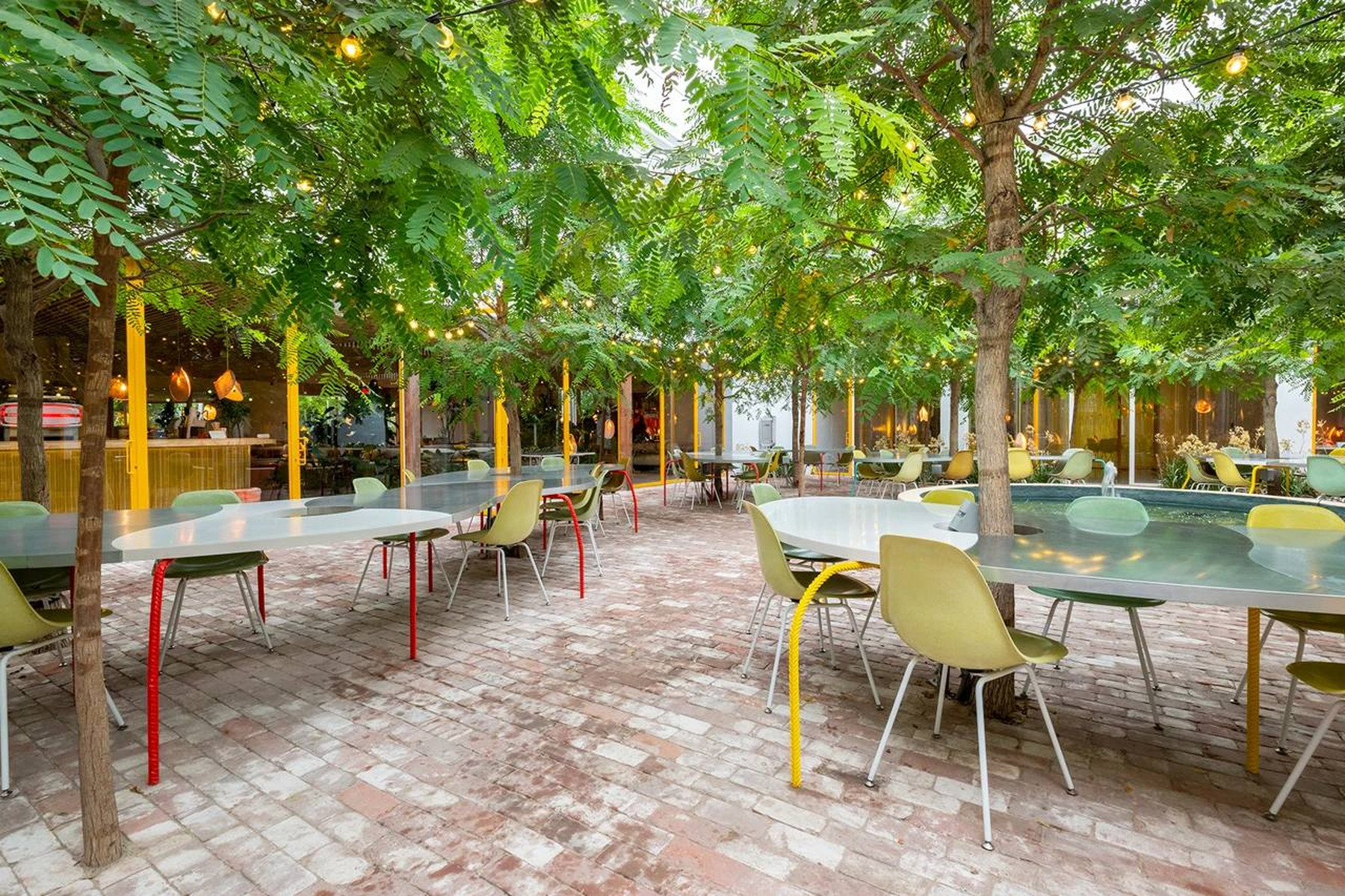
Implementing Drought-Resistant Greenspace Across Orange County
Size, shape, and topography are crucial, as they affect style possibilities. It is suggested to consider these aspects:: Little areas may take advantage of basic, clean designs, whereas bigger areas can accommodate more diverse features.: These affect which plants will thrive and how one might use the space throughout the day.
The next step is to choose a landscaping design that shows the property owner's personality while matching the home's architecture. Popular designs in Los Angeles range from drought-tolerant xeriscaping to lavish tropical gardens. Aspects to think about in style choice consist of:: Whether the property owner delights in modern, standard, or eclectic styles.: The landscape style ought to match the home's architectural elements.
It is necessary to develop a realistic budget plan that accounts for design, products, and labor. Budgeting suggestions include:: Breaking down the spending plan into smaller sized categories like plants, hardscape products, and labor can help in handling expenses.: Designating an extra 10-20% of the overall budget plan for unanticipated expenses can help mitigate unanticipated costs.
When preparing landscaping in Los Angeles, it's vital to choose plants that prosper in the local environment and to choose materials that are both sustainable and serve a functional function in the space., save water and need less watering.
How to Convert to Drought-Tolerant Landscapes Successfully
Integrating elements with a sustainable approach implies using products that are both in your area sourced and eco-friendly. Choices consist of: Material Uses Notes Decomposed Granite Pathways, patios Permeable, aids in water preservation Reclaimed Wood Fences, decks Lowers demand for new lumber Recycled Concrete Retaining walls, pathways Diverts waste from land fills Utilizing these materials not only creates a cohesive look with the natural environments but also promotes sustainability in Los Angeles' different landscape.
Commercial Landscaping El Montesuch as lighting, seating locations, and even improve the usability of outside spaces. When installing for yard areas, ensure it's a type that can tolerate heat and drought conditions. Think about incorporating an that is both efficient and saves water, like drip irrigation or a smart watering system. These options contribute to a garden that is not just beautiful however likewise practical for everyday living and entertaining.
Landscape professionals carefully orchestrate each phase to ensure durability and visual appeal. Landscape designers are essential in crafting a cohesive visual strategy that lines up with a customer's vision and the spatial truths of their residential or commercial property. They usually prepare in-depth drawings and often make use of 3D modeling, allowing clients to envision the project before construction begins.
Is Service Quality Via Regional Hubs
Preliminary meeting to discuss objectives and spending plan. Examination of the location, including soil, topography, and existing features. Discussion of a conceptual design strategy. Changes made based upon client feedback. Approval of the detailed style with all aspects like pavers and lighting consisted of. The setup procedure involves the actual structure and planting under the guidance of a landscape specialist.
Furthermore, they supervise the planting of trees, shrubs, and flowers, and the combination of water features and outdoor lighting, ensuring that each component is properly installed for durability and functionality. Cleaning the website and preparing the ground for building and planting. Setup of pavers and building of structures like walls or decks.

Latest Posts

Advantages of Regional Facility Management in California

Why Switch to Eco-Friendly Commercial Landscaping?

Managing Southern California Service Facilities for ESG